Thirty minutes is enough time to make real progress on a scene — if you know exactly what you're doing when you sit down. The mistake most actors make in short sessions is treating them like mini versions of a long study block: reading through the script, running lines loosely, stopping when time runs out. That's not a technique. This article gives you three specific drills for different points in your process, each designed to fit inside a 30-minute window and produce a clear, verifiable result.
Why Short Sessions Work (When You Use Them Right)
Long sessions have a hidden flaw: they create the illusion of progress. You can spend two hours with a script and feel like you worked hard without actually moving the needle on memorization. Short sessions remove that option. Thirty minutes is too short for drift. If you don't know what you're drilling, you'll notice immediately that nothing is happening.
Short sessions also work with how memory consolidates. Spaced repetition — returning to material across multiple shorter sessions rather than one long block — tends to produce steadier recall than the same time spent in a single sitting. A scene drilled in three 30-minute sessions over three days is more reliable than the same time spent in one go.
The catch is that short sessions require a defined starting point. You can't spend five of your thirty minutes deciding what to work on. The three routines below are designed to match specific stages of your preparation: new material, active review, and off-book testing.
Three 30-Minute Routines for Solo Rehearsal
Routine A — First contact with new material (30 min)
Use this when you're opening a scene you haven't drilled yet.
| Minutes | What you do |
|---|---|
| 0–5 | Read the scene once for meaning only. Don't try to memorize. Understand what your character wants, what changes, and where your lines fall in the sequence. |
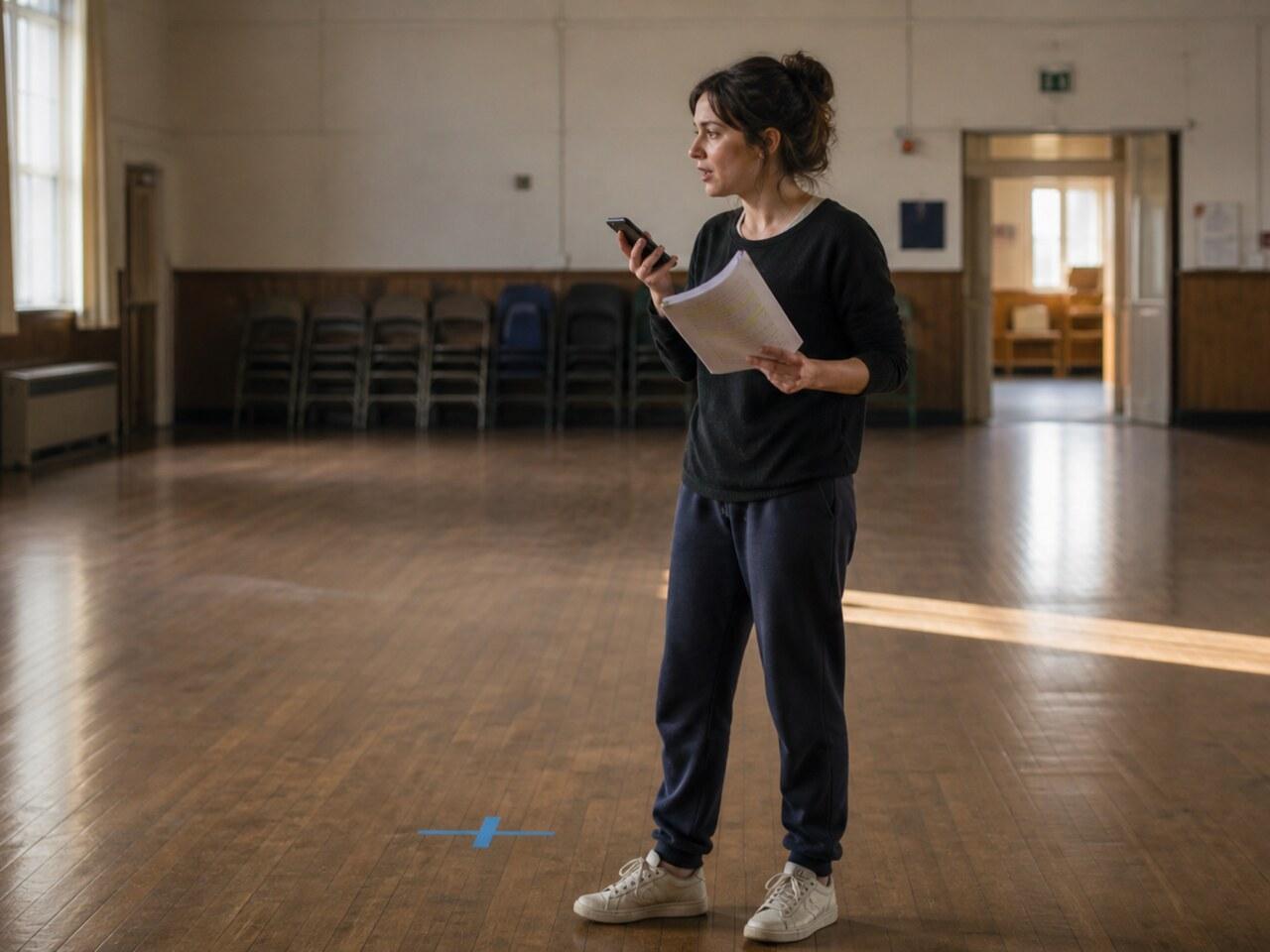
| 5–15 | Line isolation. Go through the scene and read only your character's lines, out loud, at full pace. Skip over the other characters' text. You're building a mental map of your own part of the scene. |
| 15–25 | Cue drilling. Start from the top. Read the cue line (the line before yours), pause, say your line from memory. If you can't, look — then say it again. Work through the scene in sequence. |
| 25–30 | Flag anything that dropped more than once. Write it down or mark it. These are your targets for next session. |
The goal isn't to be off-book at the end of this session. It's to have your first pass complete and your hard lines identified.
Routine B — Active review (30 min)
Use this when you've started the scene but aren't off-book yet. You know most of it, but there are gaps.
| Minutes | What you do |
|---|---|
| 0–5 | Review the lines you flagged from last session. Read them three times, slowly, connecting each to the cue that triggers it. |
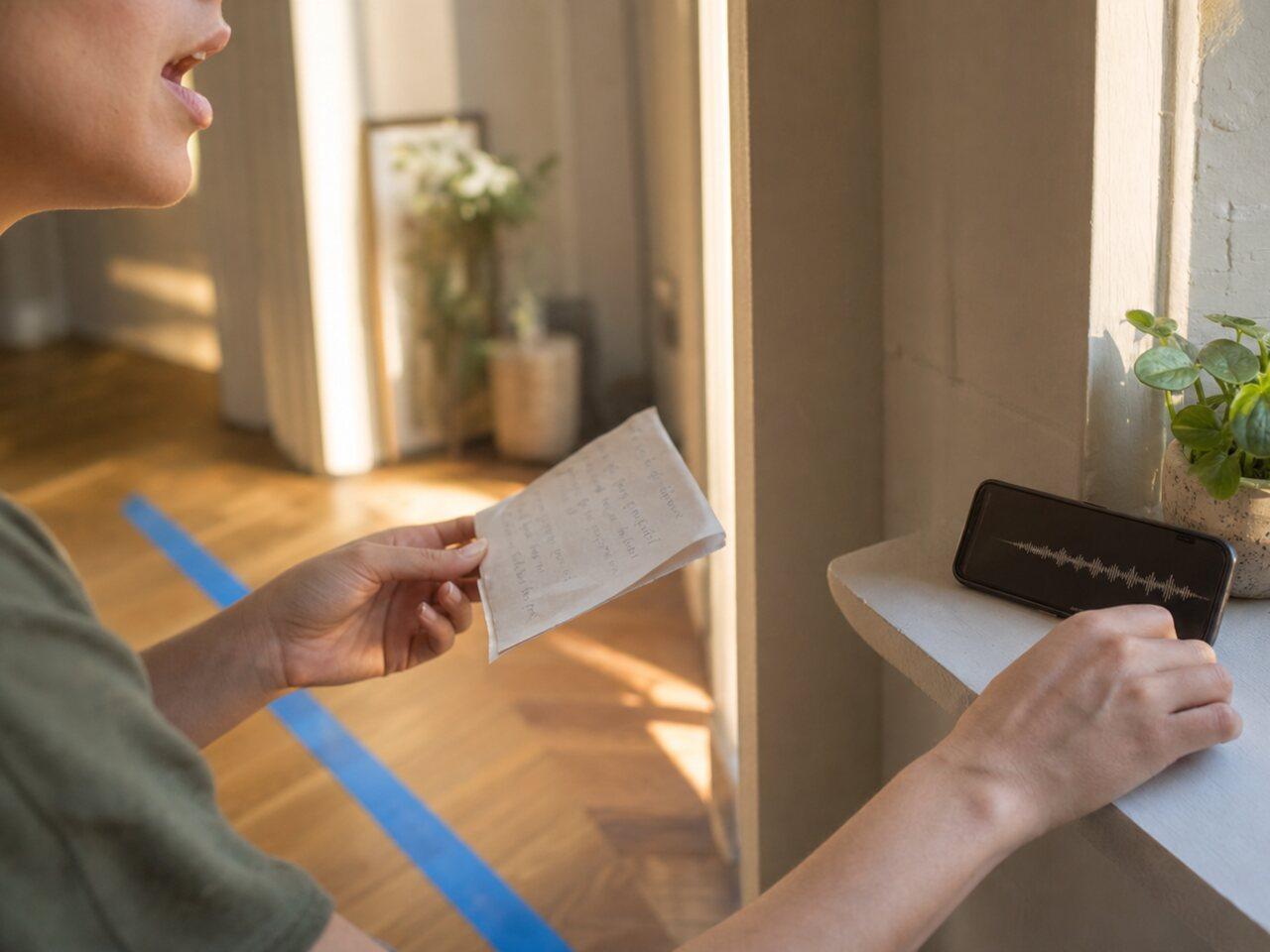
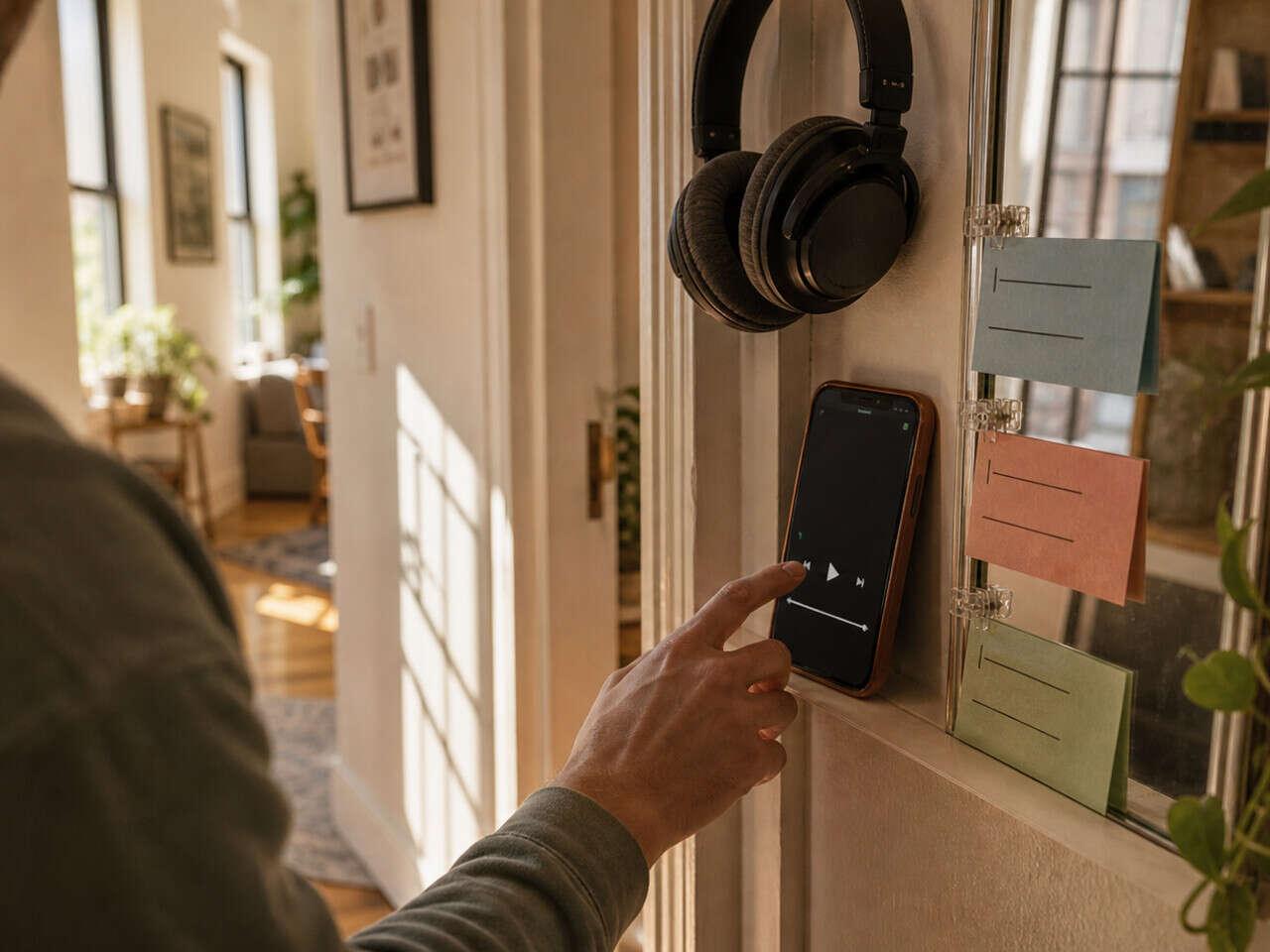
| 5–20 | Run the scene with audio support. Record your partner's lines (or use any text-to-speech app) and deliver your responses on cue. Run the scene twice through. Don't stop unless you completely lose the thread. |
| 20–28 | Cue-only pass. Write out only the last phrase of each cue, and try to deliver your response from that trigger alone. No full script. If you drop a line, mark it. |
| 28–30 | Update your flag list. Note what's now solid and what still needs work. |
By the end of this session, you should be able to run the scene with audio support cleanly. If you can't, schedule another Routine B session before moving to testing.
Routine C — Off-book verification (30 min)
Use this when you think you're off-book. The goal is to find out if you actually are.
| Minutes | What you do |
|---|---|
| 0–5 | Cold run. No warm-up, no review. Start the scene from the top and go from memory. Note every line where you hesitate or miss, but don't stop — keep going. |
| 5–20 | Targeted repair. Take only the lines that dropped in the cold run. Drill each one in isolation: cue → response, three times, until it's automatic. |
| 20–28 | Full run again. Same as the cold run, but now after the targeted repair. If you get through cleanly, you're off-book. If new lines drop, add them to your flag list. |
| 28–30 | Record your result: lines still fragile, lines now solid. This becomes your starting point for the next session. |
A clean Routine C is the clearest practical test of whether you're actually off-book. Feeling confident about a scene is not the same as running it cold with no support.
How to Link Short Sessions Into an Off-Book Plan
A single 30-minute session doesn't get you off-book. A sequence of them does — if you follow the progression.
The logic is: one Routine A, two or three Routine B sessions until the scene runs cleanly with audio support, then one or two Routine C passes until you hit a clean cold run. For a medium-weight scene, that's four to five sessions over five to seven days. For a heavy scene with long runs of dialogue, plan for six to eight.
The key is not skipping stages. Students who jump to Routine C too early burn time on testing before the material is solid enough to test. You'll know you're ready to move to Routine C when Routine B runs clean — twice in a row.
The broader approach to solo rehearsal treats short sessions as the default unit, not an accommodation for a busy week. Planning your off-book timeline in sessions rather than days makes the schedule honest: "I'll do three sessions on this scene before class" is a plan you can execute. "I'll study this scene this week" is not.
When you record cues for Routine B, keep the timing honest: leave the pause the other actor actually takes, not a generous one you'd never get onstage. A cue track with roomy gaps trains you to come in late — record it at performance tempo, or the drill quietly builds the wrong reflex right before you need the real one.
The run lines alone guide covers the full drill setup in detail — useful if you're building a recording workflow for the first time.
Do it in HitCue
- Dialogue recordings: record your partner's cue lines and run the scene alone with real timing — no partner required for Routine B or C drills.
- Blackout mode: verifies your off-book status line by line — see the cue, say your line, reveal to check — so Routine C gives you accurate results, not estimates.
- Scene navigation: jump directly to the scene you're drilling — no scrolling through acts when you only have 30 minutes to work.
Import your scene, record the cue lines, and run your first Routine B session tonight. → Download HitCue