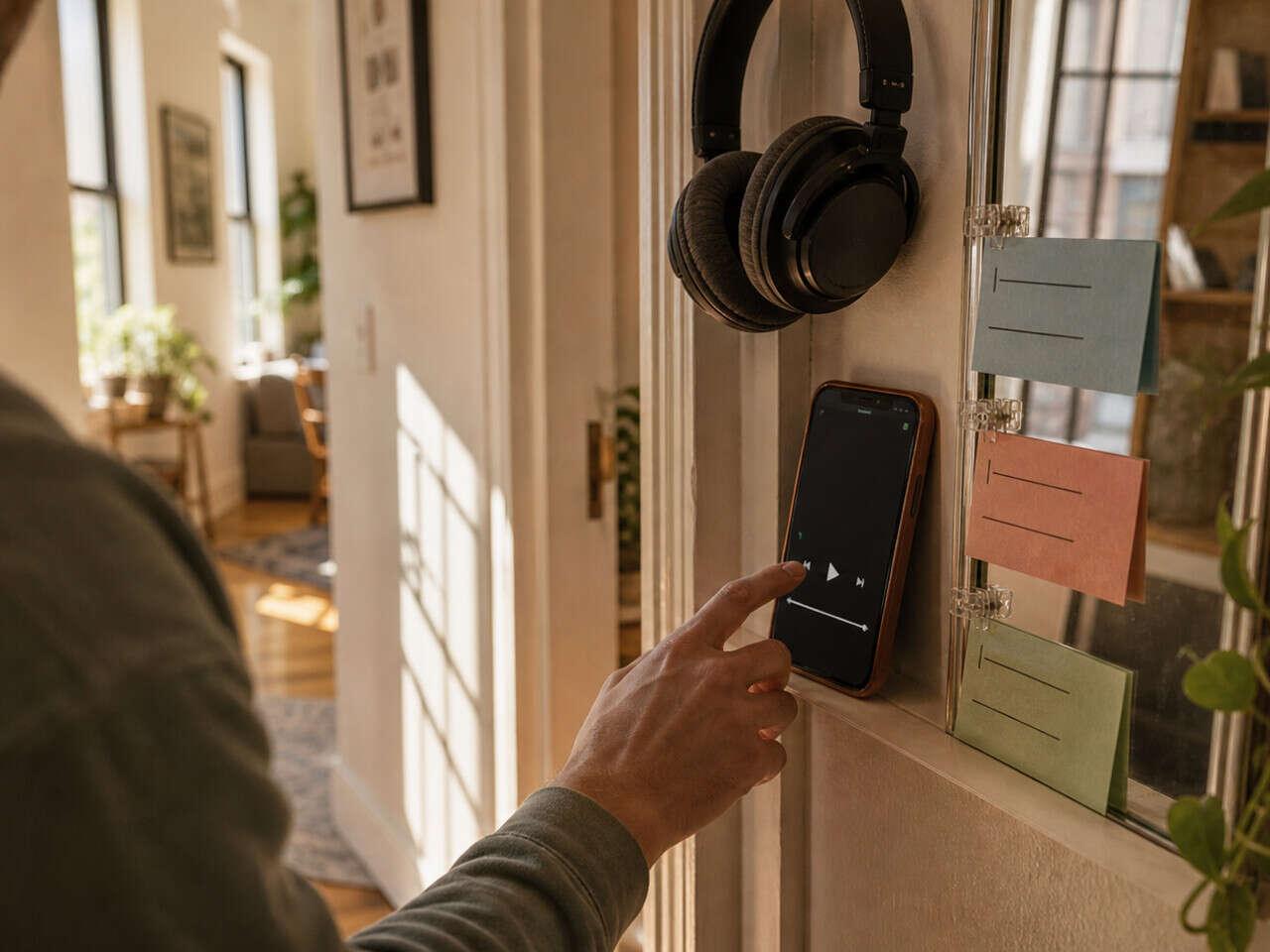
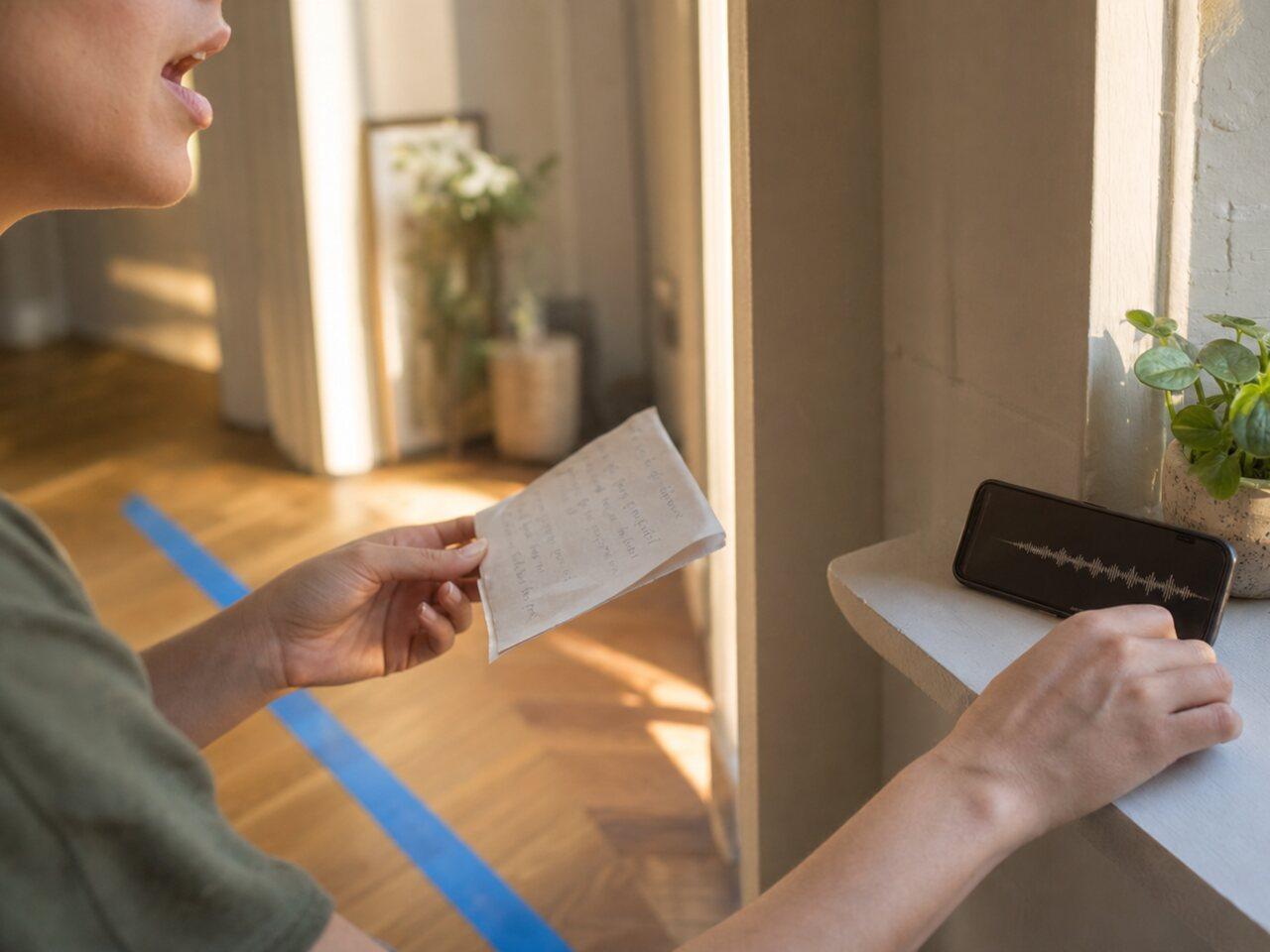
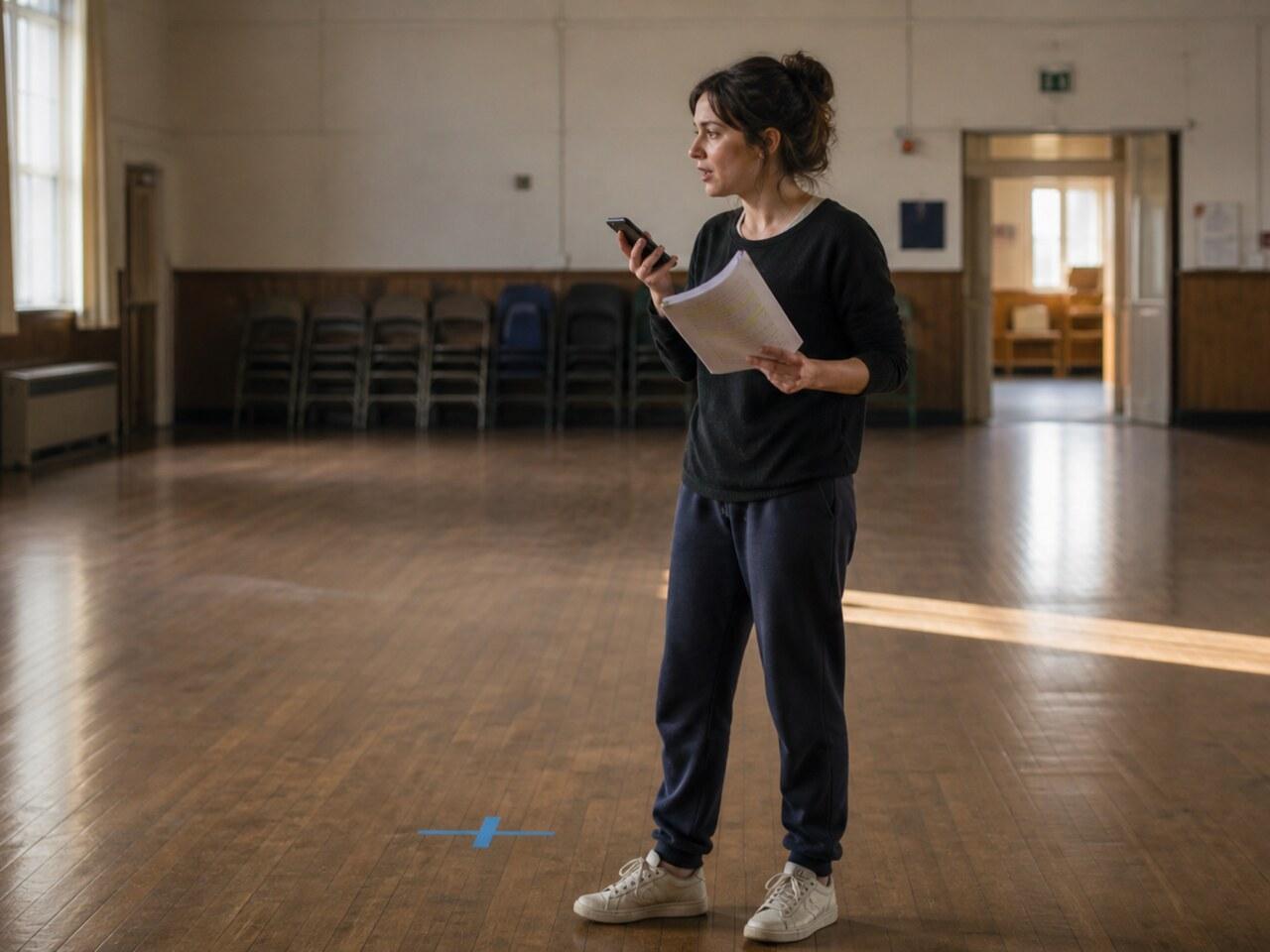
This hub is for actors who need to prepare between rehearsals, in a bedroom, on a commute, before class, or after work when no scene partner is available. The focus is not "practice more." The focus is choosing the right solo task for the stage you are in: first read, line mapping, cue-line drilling, recording-based runs, blackout tests, or maintenance passes once the scene is already mostly stable.
Start with a full solo rehearsal routine if you need a path from first read to off-book. Use recording-based line runs when the problem is interaction: you need to hear cue lines, pauses, and partner rhythm without another person in the room. Use cue-line practice when entrances are unreliable. Use short timed passes when you only have 20 or 30 minutes and need to choose the scene that will give you the highest return.
The key is to separate reading, drilling, and testing. Reading helps you understand the scene. Drilling builds the cue-response link. Testing shows whether the line appears when the page disappears. If you combine all three into one vague "run lines" session, you usually get a false sense of readiness.
A useful solo session should end with a decision about the next one. If a cue failed, record it. If a scene held once but not twice, schedule a return pass. If the lines are stable but the rhythm is dead, switch from blackout testing to recorded cue work. Working alone does not mean working blindly. The session should tell you exactly what to do next time.
That feedback loop is what keeps solo practice from becoming busywork, especially during weeks when rehearsal time is short and the next call needs visible progress.
Use This Hub When
Use these guides when you have to make progress without a partner. If your deadline is the main issue, pair this hub with Off-Book Planning. If your text is not yet structured or your PDF is hard to navigate, start with AI & Script. If your choices are still vague, do Script Analysis before you test the lines.