HitCue Blog

Practical rehearsal guides, acting techniques, and script study systems.

41 postsPage 4 of 4
Understudy Rehearsal Process: What to Track From First Run to Put-In
UnderstudyApril 10, 20267 min read

Understudy Rehearsal Process: What to Track From First Run to Put-In

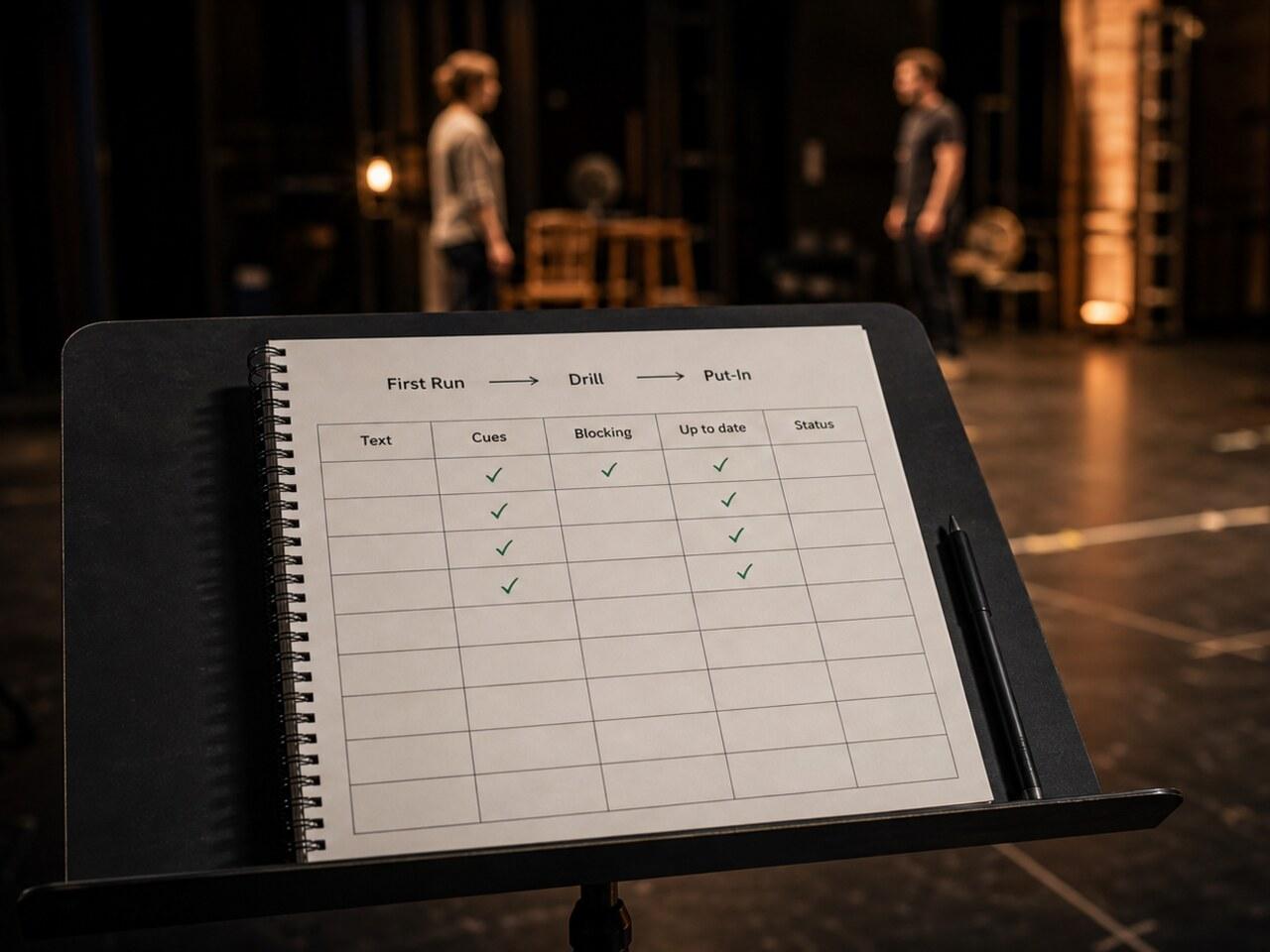
The understudy rehearsal process is a tracking system, not a preparation sprint. You run it in parallel with the production — observing runs, updating notes after blocking changes, drilling alone between other commitments. What makes you ready when the call comes isn't how hard you worked in general. It's whether you have an accurate, current read on which scenes are solid and which ones aren't.

How to Prepare as an Understudy: Text, Notes and Ready-to-Go Drills
UnderstudyApril 9, 20267 min read

How to Prepare as an Understudy: Text, Notes and Ready-to-Go Drills

Preparing as an understudy is a different job than preparing for your own role. You don't get the same rehearsal hours, you might cover more than one character, and you need to be ready at short notice — without any of the warm-up the principal gets before going on. The system that works isn't "learn everything and hope" — it's building separate, updatable materials per character and running targeted drills you can do alone.

Off-Book Rehearsal Plan: Build It From the Calendar Backwards
Off-Book PlanningApril 8, 20267 min read

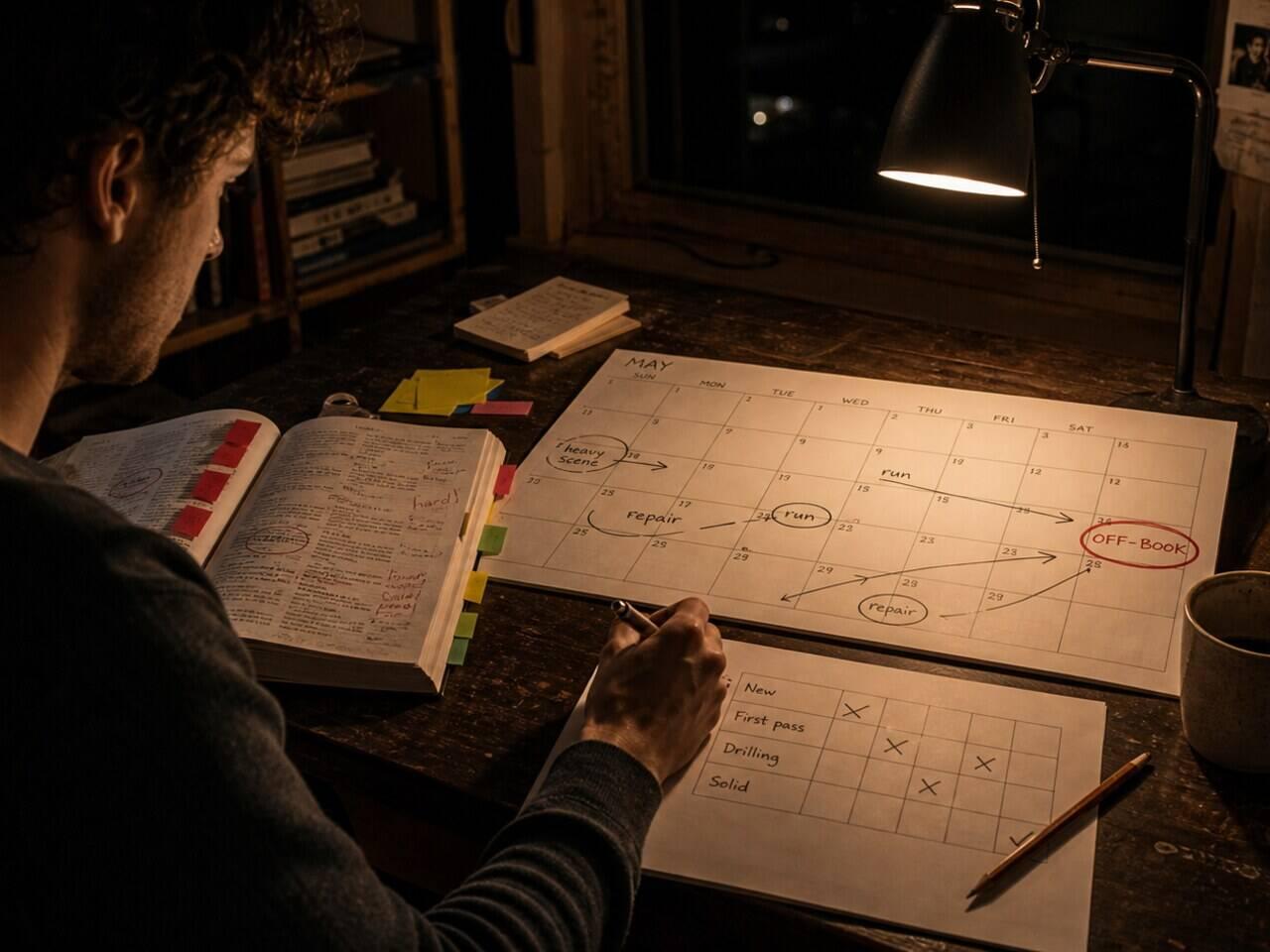
Off-Book Rehearsal Plan: Build It From the Calendar Backwards

Start from the deadline, not from page one. Most actors open the script and begin reading — which feels productive but gives you no way to know if you're on track until it's too late. An off-book rehearsal plan built backwards from the calendar tells you what to memorize this week, what to consolidate next week, and when to run full scenes. Without it, you're guessing until opening night.

Table Work in Acting: What to Do Before the First Read-Through
Table WorkApril 6, 20266 min read

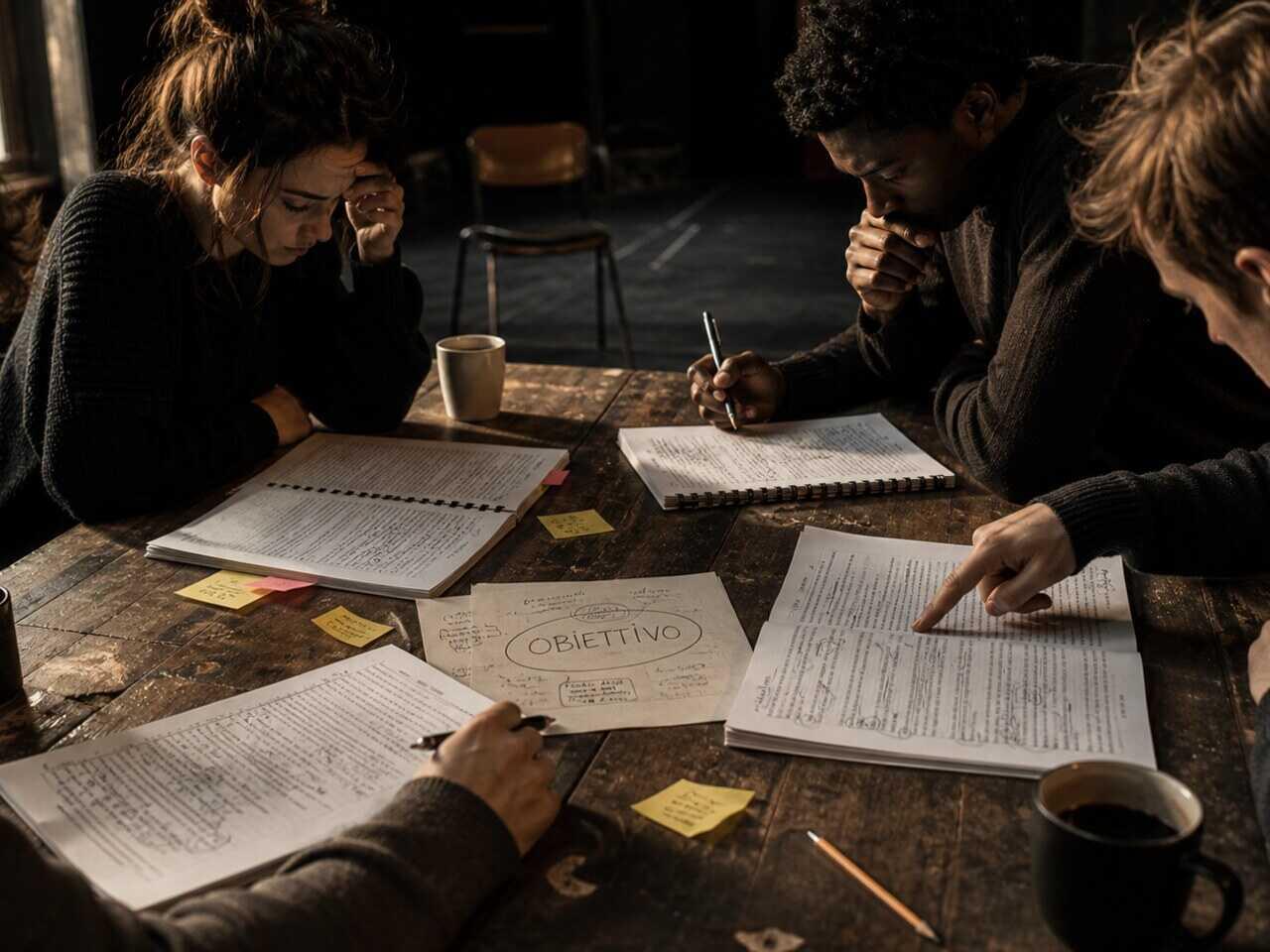
Table Work in Acting: What to Do Before the First Read-Through

Table work is where you lock the logic of the scene before you ever stand up. If you skip it, you'll spend your first rehearsals guessing while trying to move and remember lines at the same time. Done properly, table work gives you clear objectives, turns, and stakes — so when you go on your feet, you're already playing something specific.

Cue Lines for Actors: Train Them Like a Skill (So You Stop Dropping Entrances)
MemorizationApril 5, 20266 min read

Cue Lines for Actors: Train Them Like a Skill (So You Stop Dropping Entrances)

Cue lines work when the trigger is precise. If you wait for a general sense of "it's my turn," your entrance will be late — even if you know your lines. Most actors memorize their own text and assume cues will hold in rehearsal. They often don't. This article gives you a drill that trains the trigger-response link directly, so your entrances fire on time under real conditions.